Source Commercial Bodybuilding Row Machine for Gyms, Parks, and Homes
Find and compare 30 commercial bodybuilding row machine options from verified Chinese manufacturers. Evaluate specifications such as weight stacks, pipe sizes, and transmission types to select the ideal equipment for gyms, parks, and home use.
Key considerations
Products List


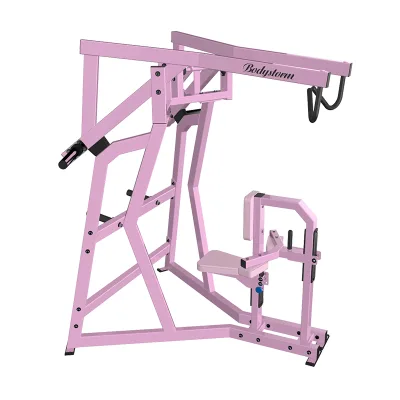
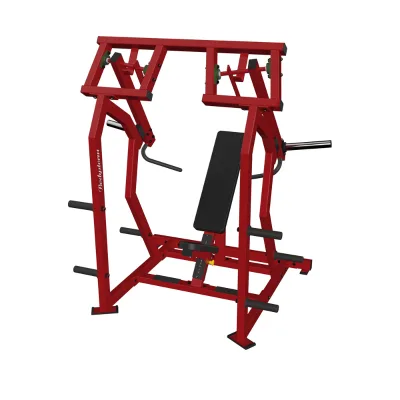


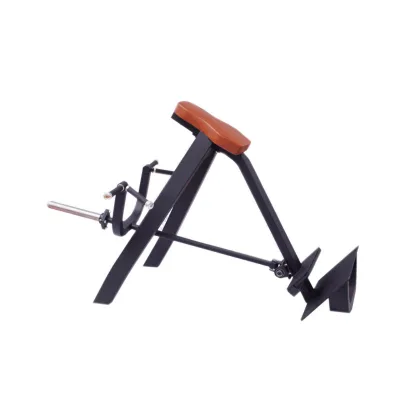
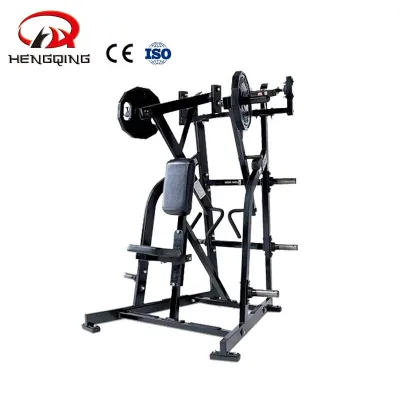


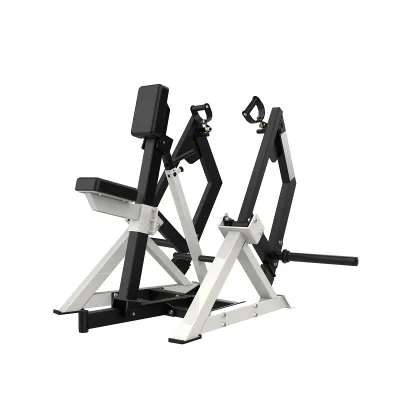


Comprehensive Sourcing Guide
Commercial Bodybuilding Row Machine Sourcing Guide
Sourcing commercial-grade rowing machines for gyms, hotels, or fitness centers requires a careful balance of mechanical durability, user experience, and regulatory compliance. Unlike residential units, commercial equipment must withstand high-frequency usage by diverse body types and fitness levels. The procurement process begins with defining the specific operational environment, whether it is a high-traffic public gymnasium, a private community center, or a luxury hotel fitness suite. Buyers must distinguish between water-resistance, air-resistance, and magnetic-resistance technologies, as each offers different maintenance profiles and noise levels. While the core keyword focuses on rowing machines, the broader category of commercial bodybuilding equipment often includes multi-station strength trainers and specialized cardio units that share similar structural requirements, such as heavy-gauge steel frames and standardized weight stacks.
The decision to import or source domestically hinges on total landed cost, lead times, and after-sales support availability. Many commercial fitness manufacturers operate out of major industrial hubs in China, offering competitive pricing but requiring rigorous quality assurance protocols. Buyers should evaluate the supplier’s ability to provide customized branding, specific color options, and modular configurations that fit their floor plan. Understanding the supply chain dynamics, including port of loading and packaging standards, is critical for logistics planning. This guide provides a structured approach to evaluating suppliers, verifying technical specifications, and ensuring long-term operational reliability for commercial bodybuilding row machines and related fitness infrastructure.
Product Scope and Observed Listing Signals
The current market for commercial fitness equipment displays a wide variance in pricing, typically ranging from $110 to $1,226 USD per unit, depending on complexity and material quality. This broad range reflects differences between basic cardio units and complex multi-station strength trainers. For instance, simpler manual or lightweight resistance units may appear at the lower end of the spectrum, while heavy-duty commercial rowers with advanced digital consoles and robust steel frames command higher prices. Minimum Order Quantities (MOQ) also vary significantly, with some suppliers accepting single-unit orders for testing, while others require batches of up to 30 units to facilitate efficient production and shipping. Buyers must align their order volume with their budget and space requirements, considering that larger orders often unlock better freight rates and unit pricing.
Observed product attributes indicate a strong emphasis on durability and customization. Common materials include heavy-gauge steel, with pipe sizes ranging from 60x120mm oval tubes to 100x48mm rectangular sections, ensuring structural integrity under heavy use. Weight specifications for these units vary widely, from approximately 85kg for lighter commercial models to over 340kg for heavy-duty multi-station equipment. This variance suggests that "commercial" is not a monolithic category but a spectrum of durability levels. Buyers should verify the actual net weight and footprint of the specific model, as larger units often provide greater stability but require more floor space and specialized installation. Additionally, many suppliers offer customized logos and colors, allowing gyms to maintain brand consistency across their equipment fleet.
Technical Specifications to Verify
When evaluating a commercial rowing machine, the transmission system and resistance mechanism are primary technical considerations. Trusted category knowledge indicates that high-quality commercial units often utilize 3mm belts or heavy-duty cables, such as 6mm strong steel cables, to ensure smooth and silent operation. The weight stack configuration is another critical specification, with common setups including 80kg, 100kg, or 255lbs stacks, depending on the target user demographic. Buyers must verify the exact weight distribution and adjustment mechanism, as these directly impact the user’s training experience and the machine’s longevity. Additionally, the frame dimensions, such as 1525x1400x1200mm or 1775x1240x1520mm, must be cross-referenced with the facility’s floor plan to ensure adequate clearance for user movement and maintenance access.
The power source and operational mode also play a significant role in the selection process. While many modern commercial rowers are manual or self-powered, some advanced models may integrate electronic components for digital tracking and resistance control. Buyers should confirm whether the unit requires external power or operates independently, as this affects installation complexity and maintenance needs. Furthermore, the folding capability is a key logistical factor; most commercial units are designed to remain unfolded for stability, but some space-constrained facilities may require foldable designs. The pipe size and overall construction quality, such as the use of powder-coated steel for corrosion resistance, should be verified through detailed product datasheets or physical inspection reports to ensure the equipment meets the rigorous demands of commercial use.
Compliance and Safety Documentation
Regulatory compliance is non-negotiable for commercial fitness equipment, particularly when exporting to international markets. Buyers must ensure that all supplied units carry valid certifications, such as CE and ISO9001, which indicate adherence to European safety standards and quality management systems. The presence of RoHS compliance is also critical, ensuring that the equipment does not contain hazardous substances that could pose health risks to users or environmental hazards during disposal. These certifications should be verified against the specific model number and batch, as certification validity can vary between product lines and manufacturing facilities. Buyers should request copies of the original test reports and certification documents from the supplier to confirm authenticity and coverage.
Safety documentation extends beyond certifications to include user manuals, warning labels, and maintenance guidelines. Commercial units must feature clear, multilingual instructions for proper use and emergency stops, if applicable. The structural integrity of the machine, including the stability of the seat, handlebars, and footrests, must be validated through third-party testing where possible. Buyers should also inquire about the supplier’s liability insurance and product warranty terms, which typically cover structural defects and mechanical failures for a specified period. Ensuring that the equipment meets local building and safety codes is essential for avoiding legal liabilities and ensuring a safe environment for gym members.
Cost Drivers and Commercial Terms
The total cost of ownership for commercial rowing machines includes not only the unit price but also shipping, insurance, customs duties, and installation expenses. Lead times are a significant cost driver, with typical delivery windows ranging from 25 days after receiving the deposit to several weeks for larger orders. Buyers should negotiate clear terms regarding payment schedules, such as a percentage upfront and the balance against shipping documents, to mitigate financial risk. The port of loading, often Tianjin for Chinese manufacturers, influences freight costs and transit times, so buyers should compare quotes from multiple logistics providers to optimize shipping routes. Additionally, packaging methods, such as plywood packing, affect the risk of damage during transit and may require additional insurance coverage.
Customization options, such as branded logos or specific color schemes, can add to the unit cost and extend production lead times. Buyers should clarify whether these customizations are included in the base price or charged as additional fees. Volume discounts are common in the commercial fitness industry, so negotiating tiered pricing based on order quantity can significantly reduce the average cost per unit. It is also important to consider the cost of spare parts and maintenance tools, as these are essential for long-term operational efficiency. Suppliers that offer comprehensive after-sales support packages, including remote troubleshooting and on-site service, may command higher prices but provide greater value through reduced downtime and extended equipment lifespan.
Supplier Qualification and Quality Control
Selecting a reliable supplier requires thorough due diligence, including verification of business licenses, manufacturing capabilities, and past performance. Buyers should prioritize suppliers with established export experience and a proven track record in the commercial fitness sector. Requesting references from existing clients, particularly those in similar markets, can provide valuable insights into the supplier’s reliability and product quality. Factory audits, either physical or virtual, are recommended to assess production standards, quality control processes, and working conditions. Suppliers that adhere to international standards, such as ISO9001, are more likely to deliver consistent quality and meet regulatory requirements.
Quality control measures should be implemented at every stage of the production process, from raw material inspection to final packaging. Buyers should specify acceptance criteria for critical components, such as steel thickness, weld quality, and electronic functionality. Third-party inspection services can be engaged to conduct pre-shipment inspections, ensuring that the goods match the agreed specifications and are free from defects. Clear communication of quality expectations and regular updates during production can help prevent misunderstandings and ensure timely delivery. Establishing a strong relationship with the supplier based on transparency and mutual respect is key to long-term success in sourcing commercial fitness equipment.
Long-Term Procurement Checks
Sourcing commercial bodybuilding row machines is not a one-time transaction but an ongoing relationship that requires continuous monitoring and evaluation. Buyers should establish key performance indicators (KPIs) to track supplier performance, including on-time delivery rates, product defect rates, and responsiveness to service requests. Regular reviews of these metrics can help identify potential issues early and facilitate corrective actions. Additionally, staying informed about industry trends and technological advancements can help buyers make informed decisions about future purchases and upgrades. Engaging with user communities and gathering feedback from gym members can provide valuable insights into the practical performance and durability of the equipment.
Maintenance and support are critical for maximizing the lifespan of commercial fitness equipment. Buyers should ensure that the supplier provides comprehensive training for their maintenance staff and readily available spare parts. Establishing a preventive maintenance schedule, based on manufacturer recommendations, can help identify and address potential issues before they lead to costly repairs or downtime. Regularly updating user manuals and safety protocols ensures that gym staff and members are aware of proper usage and care instructions. By prioritizing long-term reliability and support, buyers can protect their investment and provide a safe, high-quality experience for their customers.
FAQs
What certifications do the commercial bodybuilding row machines have?
The machines hold CE, ISO9001, and RoHS certifications. These standards ensure safety and quality compliance for international buyers. The product documentation explicitly lists these certifications as part of the commercial standard requirements for the equipment.
Can I customize the logo on the commercial bodybuilding row machine?
Yes, customized logo options are available for this equipment. Buyers can request specific branding to be applied to the machine. This customization service allows for tailored marketing solutions while maintaining the core product specifications.
What is the delivery time for the commercial bodybuilding row machine?
Delivery occurs within 25 days after receiving the deposit. This lead time applies to the standard production and shipping process. Buyers should plan their orders accordingly to ensure timely arrival at the destination port.
Which material is used to construct the commercial bodybuilding row machine?
The machine is constructed primarily from steel. Specific pipe sizes include 100*48mm and 60*120mm oval steel tubes. This robust material choice ensures durability and stability for heavy commercial use in gyms and community centers.
How much does the commercial bodybuilding row machine weigh?
Weights vary by model, ranging from 85kg to 343kg. Specific units like the TZ-5006 weigh 343kg while others are lighter. The weight stack capacity also differs, with options like 255lbs or 100kg depending on the specific model selected.
Where are the commercial bodybuilding row machines manufactured?
These machines originate from China, specifically Shandong Dezhou. The port of loading for export is Tianjin. This location supports global distribution to various international markets as indicated by the export market data.
What is the minimum order quantity for the commercial bodybuilding row machine?
The minimum order quantity ranges from 1 to 30 units. This flexibility allows buyers to start with smaller orders or scale up based on their needs. The specific MOQ may depend on the model and customization requirements.